
What Foods Increase the Amount of Ejaculation? The Secrets of Zinc!
One of the things most people overlook in their daily routines is that food is more than just something to tickle your taste buds and fill your stomach.
Food is your daily source for a whole series of substances that are required for the proper functioning of your body, including sex organs!
Source: Human nutrition
How Ejaculate Volume Is Produced in the Body
Ejaculate volume comes from multiple glands in the male reproductive system. The body produces semen through coordinated activity of the testes, seminal vesicles, and prostate gland. Each structure adds a specific fluid component that combines during ejaculation. The final volume depends on hydration status, hormone balance, and gland function. Semen contains sperm cells, but most of its mass is fluid that supports transport, protection, and energy supply.
Seminal Vesicles
Seminal vesicles produce most of the fluid in semen. They release a fructose-rich secretion that fuels sperm cells during movement. This fluid accounts for a large share of total ejaculate volume. It also contains proteins and prostaglandins that support sperm function. Proper nutrition, zinc status, and testosterone levels influence vesicle activity.
Prostate Contribution
The prostate gland adds enzymes and alkaline fluid to semen. This fluid helps neutralize acidity in the reproductive tract and improves sperm survival. It also affects semen thickness and mobility. Although it contributes less volume than seminal vesicles, it is essential for function. Prostate health can change with age, inflammation, and lifestyle habits.
Testes and Sperm Production
The testes produce sperm cells that are suspended in seminal fluid. Sperm cells represent a small portion of total semen volume but are essential for fertility. Testosterone regulates sperm production. Stable scrotal temperature and healthy blood flow support optimal output and overall reproductive function.
Ejaculate volume forms from combined gland fluids and sperm cells. Seminal vesicles contribute most fluid, the prostate supports chemical balance, and the testes supply sperm. Hydration, hormones, and gland health influence total volume. Individual variation is common across healthy men.
The Most Important Element: Zinc
The most important addition to your diet is zinc. This metal plays a crucial role in the human body by helping the action of antioxidants and thus slowing down the aging process. It also serves to stabilize the DNA in sperm cells, thus ensuring a strong and healthy delivery of genetic material.
Not many people know that a deficiency of zinc in the daily diet can lower fertility in males since the body tends to generate fewer sperm and sperm cells are no longer strong enough to make the full trip.
Source: Causes of male infertility
Zinc and Male Reproductive Function
Zinc plays a central role in male reproductive biology and supports multiple processes linked to semen production. The body uses zinc as a trace mineral for enzyme activity, cell growth, and hormone regulation. In the reproductive system, zinc concentrates in the prostate and testes, where it supports sperm development and fluid balance. Low zinc levels can reduce semen quality and may also affect total ejaculate volume over time. Diet is the main source of zinc, since the body does not store large reserves.
- Zinc contributes to healthy testosterone levels by supporting hormone production pathways. Testosterone influences sperm production, libido, and the function of reproductive glands. When zinc intake is too low, testosterone levels may drop, which can reduce sperm output and affect semen composition. Zinc also supports enzymes involved in converting cholesterol into active hormones. This process helps maintain stable reproductive function. Regular intake from food sources such as meat, seeds, and legumes supports hormonal balance in a steady way.
- Zinc supports sperm development and protects cells in the testes from oxidative stress. Sperm cells form continuously, and this process depends on proper mineral availability. Zinc helps stabilize sperm structure and improves maturation efficiency. The prostate gland also stores high levels of zinc, which supports the production of prostatic fluid. This fluid contributes enzymes and compounds that influence semen consistency and function. A deficiency may affect both sperm quality and fluid contribution, which can influence overall ejaculate characteristics.
Where to find zinc in food?
The best source of zinc in your diet are oysters. However, oysters feed at the bottom of the seas, which are more and more polluted with heavy metals and chemicals. Other good sources of zinc are animal proteins, such as pork, beef and poultry. Meat is actually the best way of getting your daily dose of zinc, since the body absorbs it far easier from this source. Moreover, other substances found in cereals and whole grain breads are known to decrease the absorption of zinc.
Other good sources of zinc are beans, nuts, pumpkin seeds and sunflower seeds. You should try to accommodate these foods in your diet as often as possible. However, you should be aware that too much zinc is not good for your body, since it tends to decrease the absorption of other crucial metals, such as iron and copper.
How Much Zinc is Required to Increase Ejaculation?
Zinc is an essential mineral that plays a crucial role in the production of testosterone, which is necessary for optimal sexual health in men. Adequate levels of zinc in the body have been linked to an increase in semen volume and sperm count, leading to improved fertility and sexual performance. However, it is important to note that excessive intake of zinc can have adverse effects on the body, so it is crucial to consume it in moderation.
The recommended daily intake of zinc for adult men is between 11 and 40 mg per day, depending on age and overall health status. However, it is essential to consult with a healthcare professional before starting any zinc supplements, as excessive zinc intake can cause toxicity symptoms such as nausea, vomiting, diarrhea, and headaches.
Zinc supplements are also available in the form of capsules, tablets, and powders, but it is important to follow the recommended dosage on the label and avoid exceeding the maximum daily intake of 40 mg.
Source: Zinc Supplements: Benefits, Dosage, and Side Effects
Diet, Weight and Sex Life
Another important aspect of correlation between proper diet and sexual health is a man’s weight.
With the spread of obesity throughout the industrialized world and a series of warnings about this growing problem from the rest of the world, many questions have been raised about how would obesity influence millions of lives.
No studies have been performed yet to determine whether obesity has a direct impact on the quality of ejaculation, but science has already identified several indirect links between obesity and a decrease in the quality of sex and ejaculation.
Source: Obesity and Sexual Dysfunction
Influence of weight on testosterone production
What we know for a fact is that overweight and obese people tend to cut down on effort whenever they can. This has a big influence on sex since regular effort is crucial to the secretion of testosterone by the body. Testosterone does not regulate the quality of ejaculation, but it does influence the sex drive and the growth of spermatogenic tissue in the testes. It is this tissue that performs the very production of ejaculate.
A decrease in the normal level of testosterone, which is bound to happen to every “couch potato” person who tends to avoid effort, leads to a drop in the libido. The individual is no longer as interested in sex as before, nor does he get as much pleasure from it as he used to.
Combined with the frequent exposure to substances that mimic the effects of the estrogen hormone, the low level of testosterone may lead to shrinking penis and testicles.
Source: Low levels of testosterone in men
Unbalanced diet vs. zinc
Moreover, people who are overweight or obese may have unbalanced diets that tend to leave out foods rich in zinc. Zinc is one of the most important minerals that enters the human body through food. It is found in oysters, beans, nuts and seeds.
A deficiency of zinc, resulting from the inadequate intake or absorption of zinc, is marked by hair loss, skin lesions and wasting of body tissues. Zinc is very important for the production of ejaculation and for maintaining the quality and motility of ejaculate, is proven to help you increase ejaculation. Without enough zinc, the quality of ejaculate will suffer.
Other Key Nutrients That Support Semen Volume
Semen production depends on more than zinc, since multiple vitamins and amino acids support reproductive function. The body uses a wide range of nutrients to build sperm cells, maintain gland activity, and regulate fluid balance. A balanced diet improves overall reproductive performance more effectively than focusing on a single mineral. Deficiencies in key nutrients can reduce sperm quality and may also influence ejaculate volume over time.
- Selenium supports sperm health by protecting cells from oxidative stress. The testes are sensitive to oxidative damage, which can affect sperm development and function. Selenium acts as an antioxidant and helps preserve sperm structure. It also supports enzymes that regulate thyroid function, which indirectly influences hormone balance. Foods such as Brazil nuts, fish, and eggs provide natural selenium sources. Adequate intake supports stable reproductive output.
- Vitamin C supports semen quality by reducing oxidative stress in reproductive tissues. It helps protect sperm DNA and improves sperm survival in fluid environments. Vitamin E works alongside vitamin C to protect cell membranes from damage. Together, these vitamins support healthier sperm and may improve overall semen characteristics. Citrus fruits, leafy greens, nuts, and seeds provide reliable sources of both vitamins.
- L-arginine supports blood flow, which is essential for healthy reproductive function. It helps the body produce nitric oxide, a compound that relaxes blood vessels and improves circulation. Better blood flow supports erectile function and gland activity. This amino acid is found in foods such as turkey, chicken, soybeans, and peanuts. Consistent intake may support reproductive efficiency.
- B vitamins support energy metabolism and cell production in reproductive tissues. Vitamin B12 and folate are especially important for sperm formation and DNA synthesis. Low levels may reduce sperm quality and affect reproductive stability. Sources include meat, dairy, leafy greens, and fortified grains.
Multiple nutrients support semen production by protecting cells, improving blood flow, and supporting hormone balance. Selenium, vitamins C and E, L-arginine, and B vitamins all contribute to reproductive health. A varied diet ensures better nutrient coverage and supports stable semen characteristics over time.
Lifestyle Habits That Affect Ejaculation Volume
Daily habits strongly influence semen production through effects on hormones, circulation, and gland function. The reproductive system responds to sleep patterns, physical activity, stress levels, and substance use. These factors can change semen volume even when diet remains stable. Long-term habits have a stronger effect than short-term changes. Consistent healthy routines support stable reproductive output.
- Sleep supports testosterone production and sperm formation during overnight recovery cycles. Most testosterone release occurs during deep sleep stages. Poor sleep reduces hormone levels and may lower semen volume over time. Short sleep duration also increases stress hormones, which can interfere with reproductive signals. Regular sleep schedules help maintain stable endocrine function. Adults benefit from 7–9 hours of sleep per night for optimal hormonal balance.
- Exercise improves blood flow and supports testosterone regulation in the reproductive system. Moderate physical activity increases oxygen delivery to tissues and supports gland function. Strength training shows a positive link with testosterone levels when done consistently. Overtraining, however, can raise stress hormones and reduce reproductive output. Balanced routines that include resistance training and light cardio support overall semen production.
- Chronic stress affects semen production by increasing cortisol levels in the body. High cortisol can suppress testosterone and reduce sperm development. Stress also affects sleep quality and appetite, which indirectly influences reproductive health. Relaxation techniques, structured routines, and physical activity help reduce stress load. Emotional strain over long periods may lead to noticeable changes in semen volume.
- Alcohol and smoking reduce semen quality by damaging cells and disrupting hormone balance. Alcohol can lower testosterone levels when consumed frequently. Smoking introduces toxins that affect sperm structure and gland function. These effects may reduce both sperm count and fluid volume. Reducing or avoiding these substances supports reproductive recovery.
Lifestyle habits influence semen volume through hormone control, circulation, and cellular health. Sleep, exercise, stress management, and avoiding harmful substances all support reproductive stability. Consistent healthy behavior leads to better long-term semen production outcomes.
Best Ways to Increase the Amount of Ejaculate
Zinc in Natural Pills for Sperm
But the best and safest way of increasing ejaculation during sex is the natural pills that already include Zinc. Why spend your time worrying about the quantity and quality of your sperm when you could simply take the marvelous pills and have more sex instead. Still, these pills will not only help you increase ejaculation, but will also provide you with rock hard erections and prolonged orgasms.
Zinc is a common ingredient in natural supplements designed to support male reproductive health. Many products include zinc because it plays a role in sperm formation, hormone balance, and prostate function. Supplement formulas often combine zinc with other nutrients to support overall reproductive performance. These pills are widely used by men who want to improve semen quality when diet alone does not meet daily zinc needs.
Role of Zinc in Supplement Formulas
Zinc in natural pills helps support normal testosterone levels and sperm production processes. The body uses zinc in enzyme reactions that control cell division and hormone activity. In supplement form, zinc may help maintain stable levels in men with low dietary intake. It also supports the prostate gland, which contains a high concentration of zinc. Some formulas use zinc picolinate, zinc citrate, or zinc gluconate for absorption support.
Common Ingredients Combined with Zinc
Natural sperm support pills often combine zinc with vitamins, minerals, and plant extracts. These combinations aim to support multiple pathways in reproductive health. Common additions include vitamin C, vitamin E, selenium, and folic acid. Some formulas also include herbal ingredients such as maca root or ashwagandha. These compounds may support energy levels, stress response, and hormone balance. The goal is to create a broad nutritional profile that supports reproductive function.
Safety and Daily Intake Considerations
Proper zinc dosage is important because both low and high intake can affect health. The recommended daily allowance for adult men is generally around 11 mg from all sources. Excessive zinc intake from supplements may lead to nausea or copper imbalance. Natural pills should be used according to label instructions and not combined with multiple high-dose products. Food sources should still remain the main nutrient base.
Zinc in natural sperm support pills contributes to hormone regulation, prostate health, and sperm production. These supplements often combine zinc with other nutrients for broader reproductive support. Safe and balanced use helps maintain normal reproductive function alongside a healthy diet and lifestyle.
Summary
Men, unlike women, have always been worried about their reproductive organs and their performance in bed. Their penis is so significant as it represents men’s manliness and sexuality. You may see men who are successful in seducing almost all women they meet in most Hollywood movies.
It is recommended for men to lead a healthy lifestyle, which means being engaged in regular physical activity and keeping a healthy diet. You will notice a better function of your reproductive organ during sexual intercourse.
Source: 5 things men should do to stay healthy
It is also advisable to reduce intake of alcohol and drugs, as it may lead to infertility or even impotency. A well-balanced diet together with pills that contain zinc will increase ejaculation volume and make your sex life more enjoyable.
It goes without saying that low ejaculation volume may become a serious reason for breaking up a relationship. Thus, you may suffer not only from impotency, but from loneliness and mockery as well. More and more partners decide to divorce if their husbands cannot satisfy them. Do you want to avoid such a situation?
Related Products
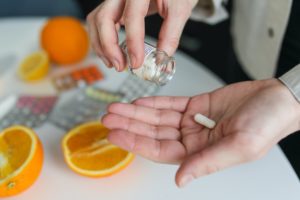
What Vitamins and Minerals Are Proven to Increase Seminal Fluid?
In order to boost your reproductive health and sexual desire, you need to try vitamins and minerals that increase seminal fluid.
About the Author

Dr. Lucas B. Richie
Dr. Lucas B. Richie: Author of AllHealthBlogs.com network, as well as the other healthcare reviews projects and blogs. Published a number of books on nutrition and sexual health. Practicing sexual health therapist.
Article medically reviewed by:

Dr. Jerry K
Dr. Jerry K: an expert in family medicine, reproductive health, natural approach to sexual health, and overall well-being. Graduated with a PhD from Albany State University. 30 years of experience in family medicine, with a special interest in sexual health, sex life, and sexual enhancement products.
Translation


